Biochemical Adaptations
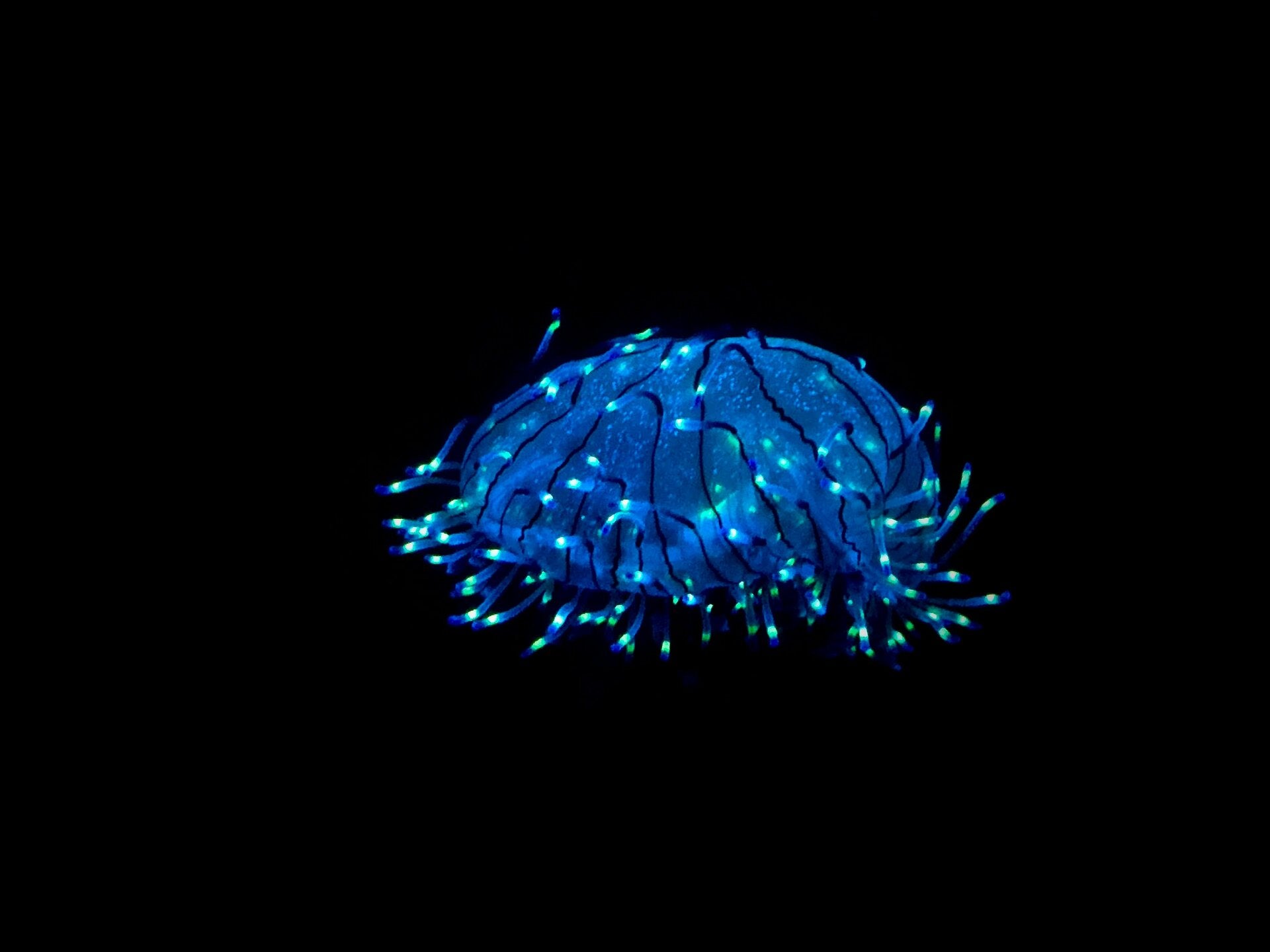
Deep Sea Organisms are able to survive in one of the most extreme environments, the sources I use in this essay such as Somero, Herring, and Yancey, talk about how their survival depends on biochemical and physical adaptations. High hydrostatic pressure, extremely low temps, and no sunlight causes disruptions in their cellular processes such as cells becoming rigid, proteins losing their shape, and enzymes stop functioning. Deep sea creatures had to evolve their biochemical organisms to survive. They developed pressure resistant proteins and enzymes and rely on protective molecules like piezolytes to stabilize their cellular structures. These adaptations allowed deep sea creatures to survive and maintain function to allow them to maintain metabolism, muscle movement, and nutrient processes in an environment where most sea creatures from the shallow areas would not be able to survive.
Food Scarcity and Nutrition
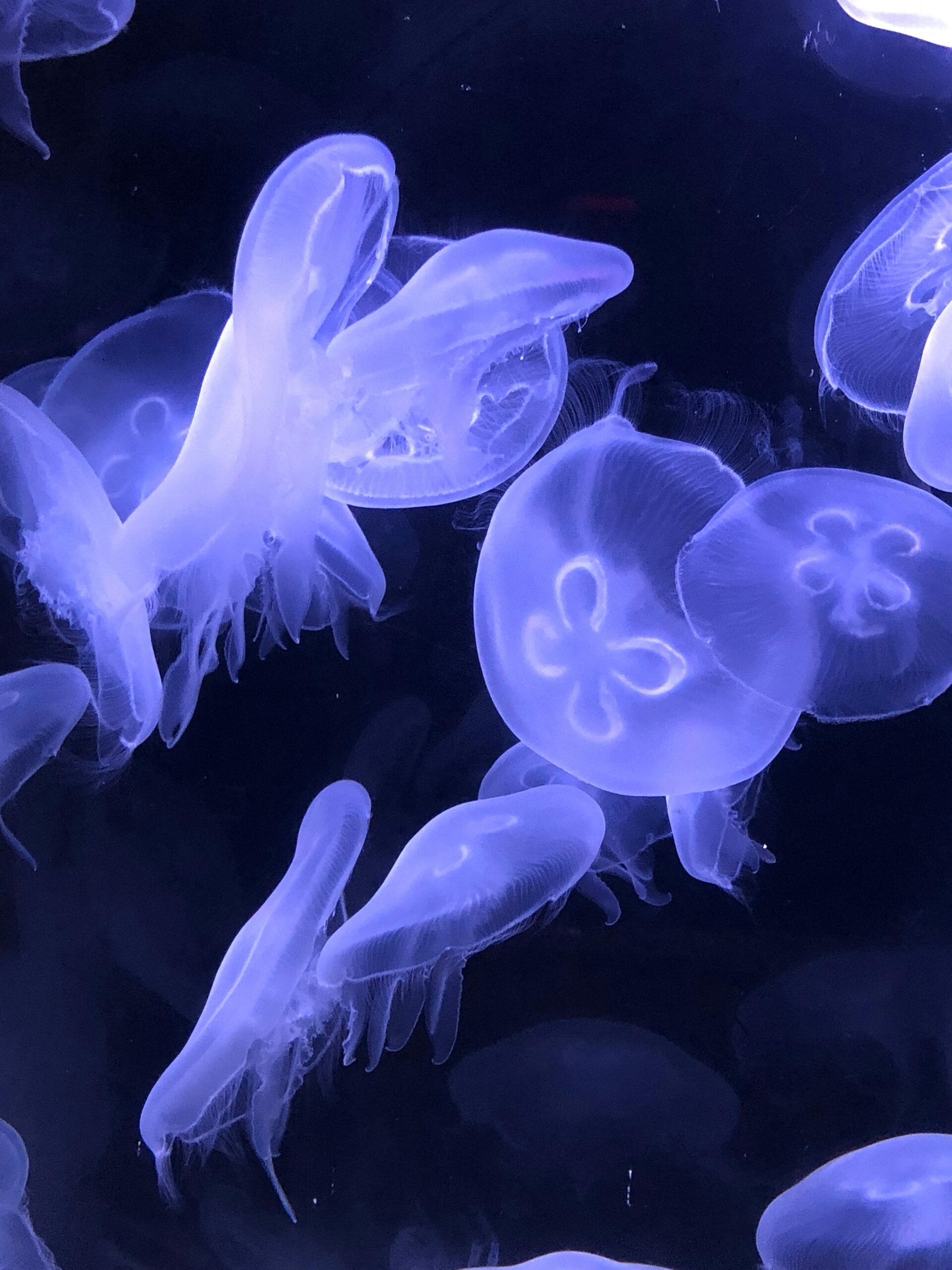
The fact that food and nutrients are very scarce in the deep ocean is another challenge deep sea creatures have to face to survive. There is no sunlight to support photosynthesis, most organisms have to rely on marine snow (organic particles that fall from the surface), and they must evolve their feeding strategies by filtering food or finding large dead animals that fall from the surface. High hydrostatic pressure also has to develop metabolic pathways that will function when enzymes fail. High hydrostatic pressure also effects heavily on how deep-sea creatures look and their shape deforms when the animals come up to the surface. Together, these sources reveal that deep sea creatures have to undergo extreme adaptations just to survive in the deepest parts of the ocean. This shows just how powerful deep-sea creatures are.
Create Your Own Website With Webador